Day 3: Rhode Island to Rare Books

This weekend was indeed the three-day whirlwind tour. What started as an exploration of the Museum of printing ended up covering at least six states (not including our home state of Pennsylvania), a plethora of bookstores, a variety of art, rare books, a lexicographer’s grave, and a wild ride down memory lane.

And I have not even had the opportunity to sort my thoughts and keep up with my blogging because the internet was soooooo bad in our hotel last night (even though I paid for “enhanced wifi”). It kept kicking me off like it was 1999 and I was using a dial-up modem.

And now it’s Monday morning, not quite 7 a.m. and I am trying to get myself organized. But first, I get a shall talk about Sunday.

The plan was to get up, find internet, have breakfast, and go on a Waltham Massachusetts Volkssport walk at 10 a.m. when we could access the walk box. The wrinkle came when the temperature dropped to 30 degrees with no chance of the sun warming things up until late in the day. And we did not bring coats.

Gayle at least brought a sweatshirt. I brought t-shirts and my paisley sportscoat.

With the time change, we checked out of the hotel by 6:20 a.m.

We then ended up in Attleboro, Massachusetts and neighboring Pawtucket, Rhode Island at 7:20 a.m. It’s not easy to find a breakfast spot open at sunrise on a Sunday morning. So we visited the local Market Basket– and the place was mobbed, with baggers and everything. They opened at 7:20 and people were already pouring out of the place with full carts at 7:20! They had more registers open than a Wegmans the week before Thanksgiving!

In the parking lot of the grocery store, which sat in a grocery plaza looped into the commuter rail station, we plotted our next move. Honey Dew Donuts. Apparently, a Massachusetts, Rhode Island, and New Hampshire chain with some super nice doughnuts, solid coffee and bagels that resemble rolls but have phenomenal flavor. And Gayle had hot apple cider. Because Autumn. In New England.

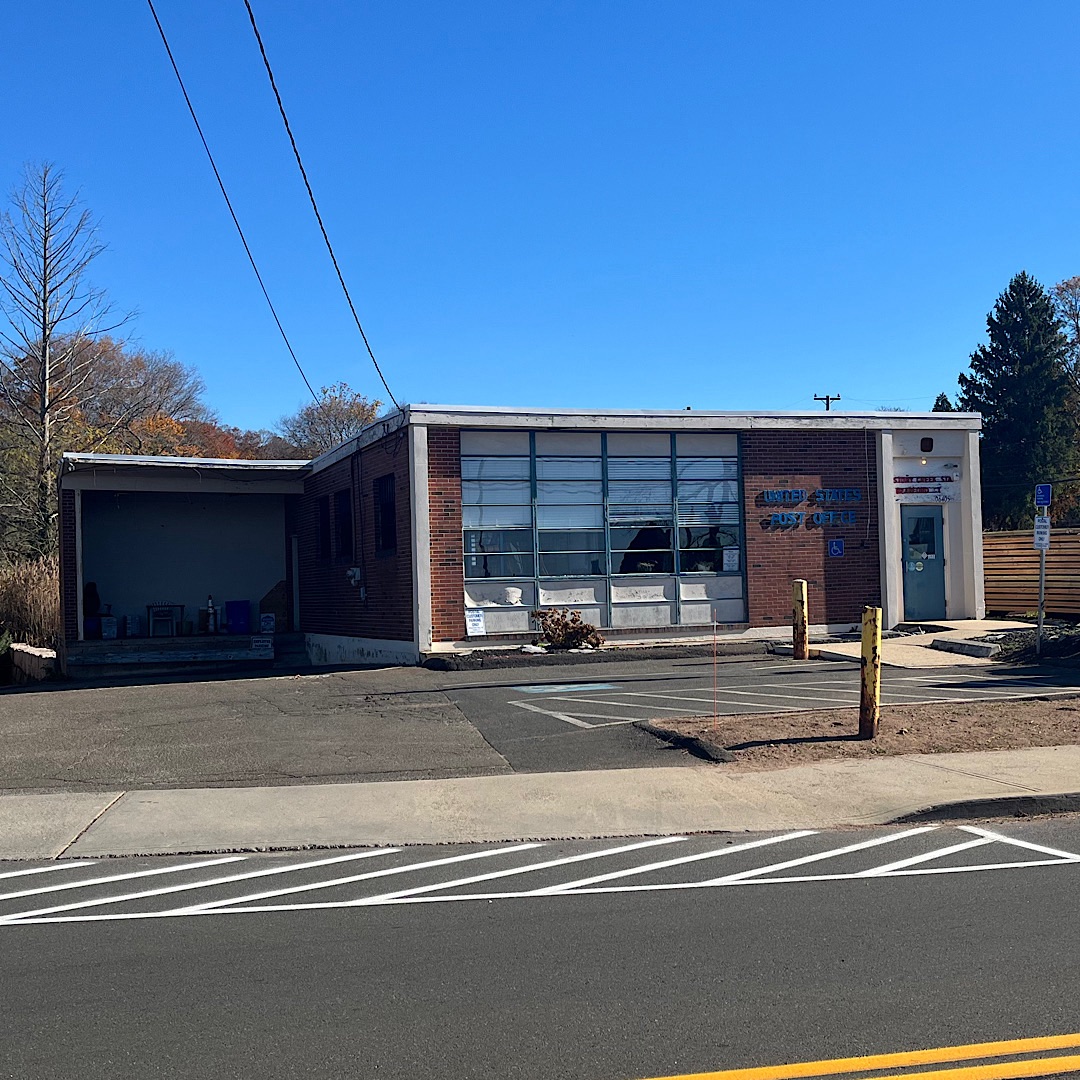
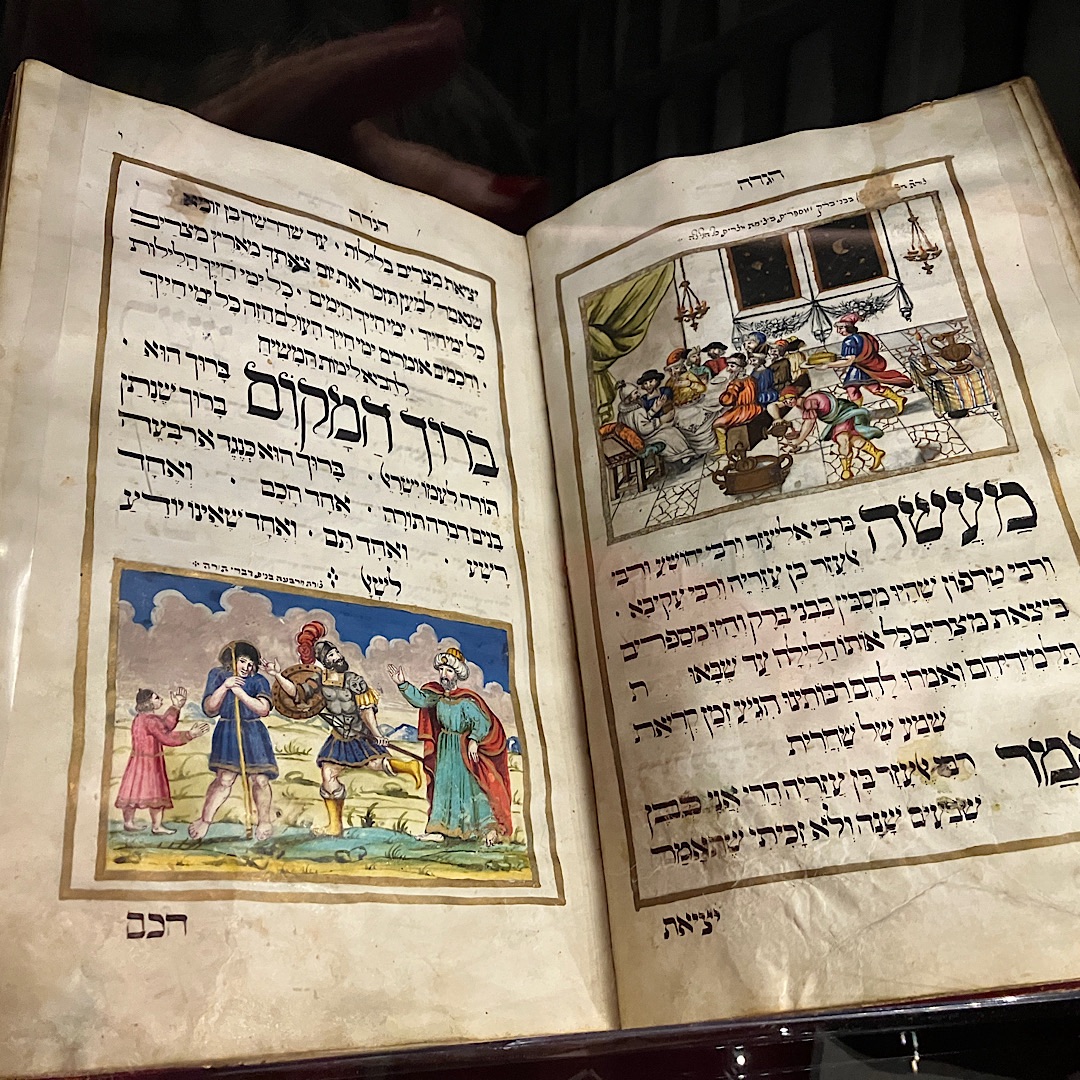
After our egg sandwiches in Rhode Island we drove another two hours to the TA in Brandford, Connecticut. While there, Gayle managed to find a reference to a nearby Gutenberg Bible– because where else do you find info on a prestigious, historical Bible but in a truck stop. But the library where the Bible lived did not open until noon.

It was about 9:45. The map indicated that the area we had stopped in was close to The Thimble Islands and a google search showed a variety of picturesque parks. I picked one with some rail relics and off we went. Except Google took us to the top of one of the rail trestles or something, not the nearby walking path.

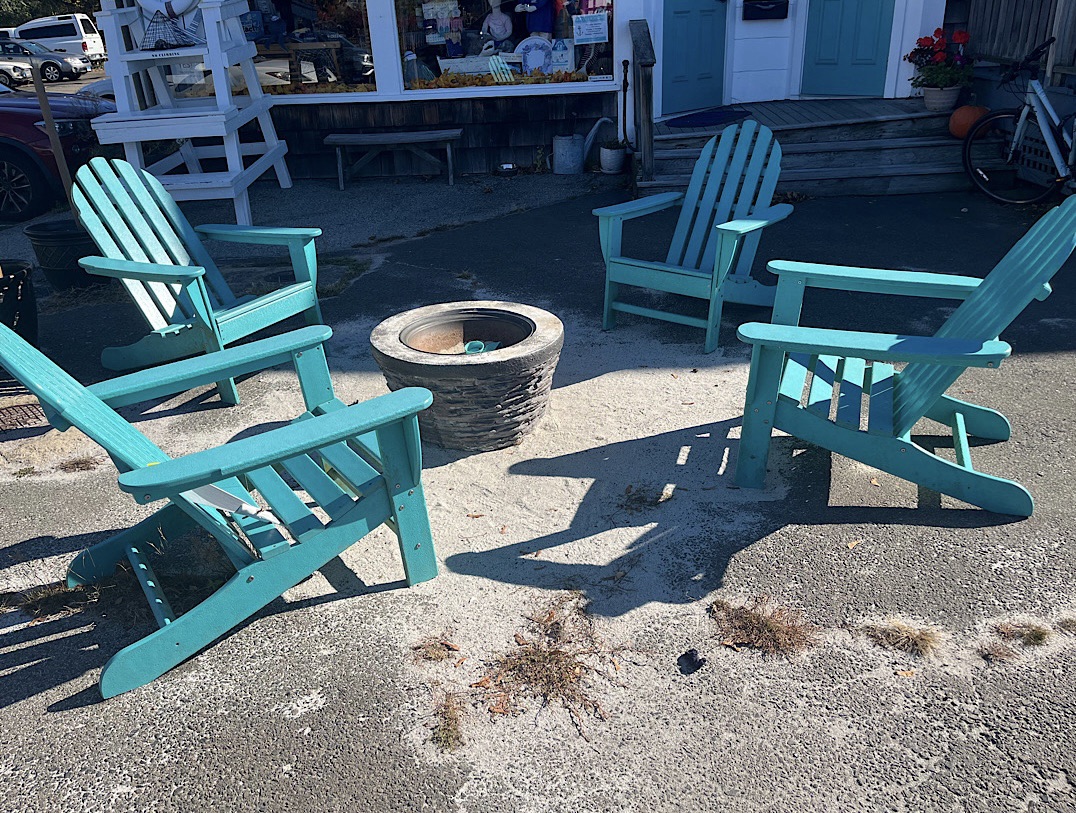
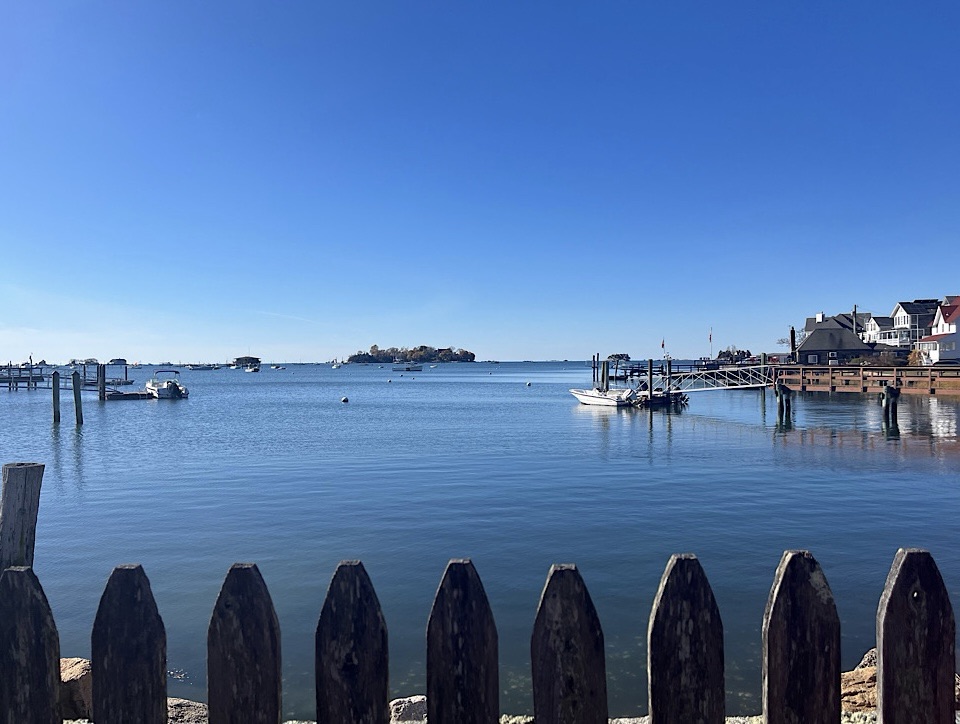
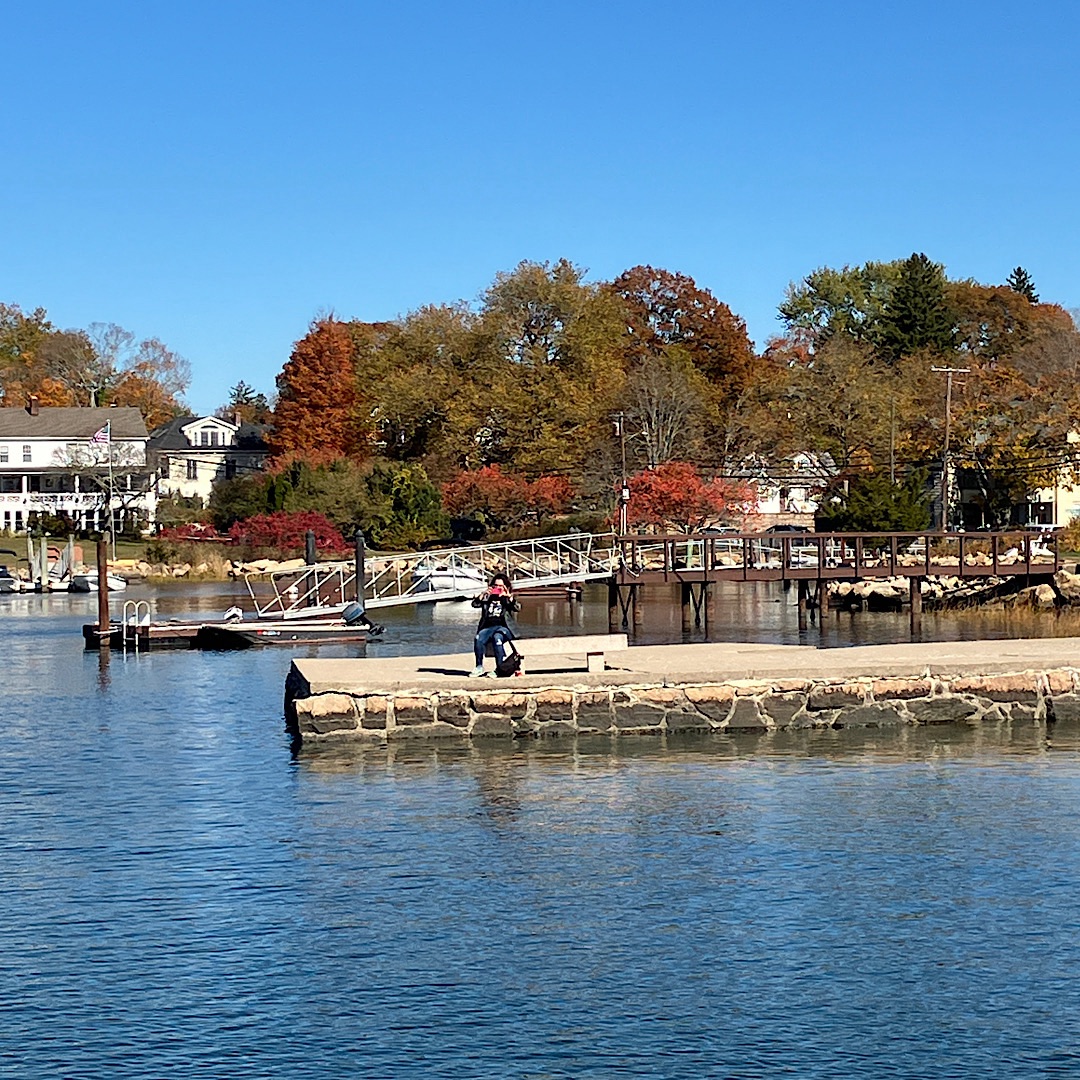
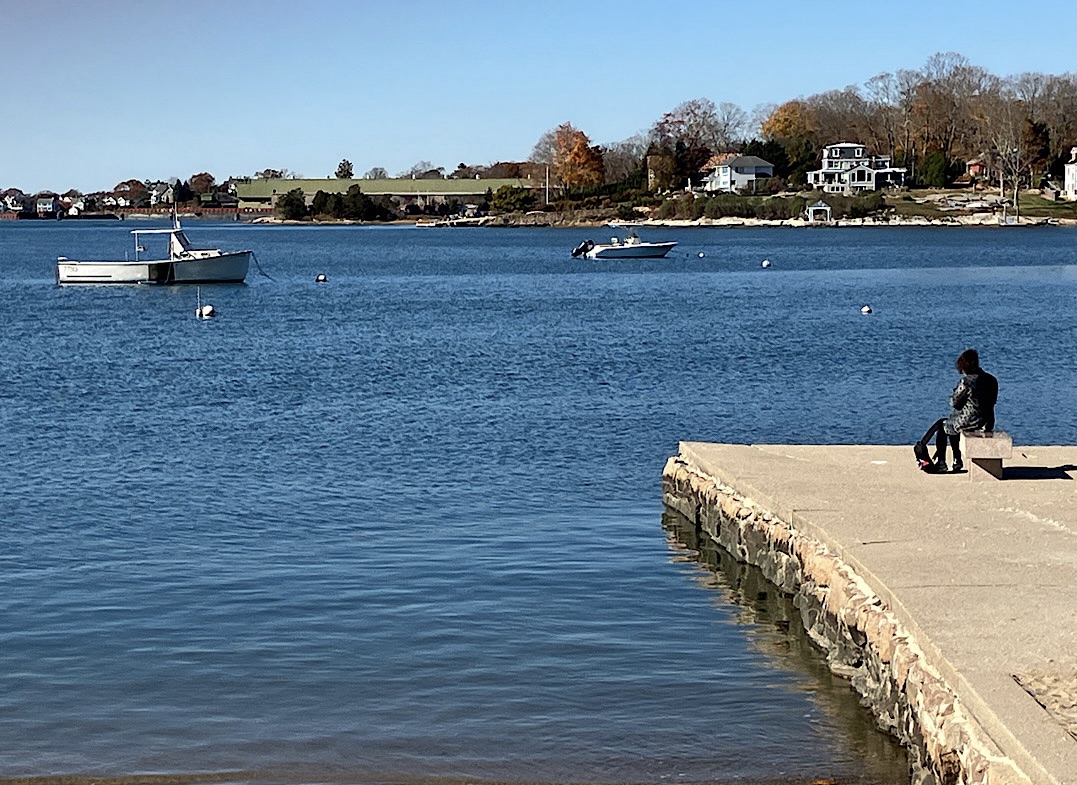
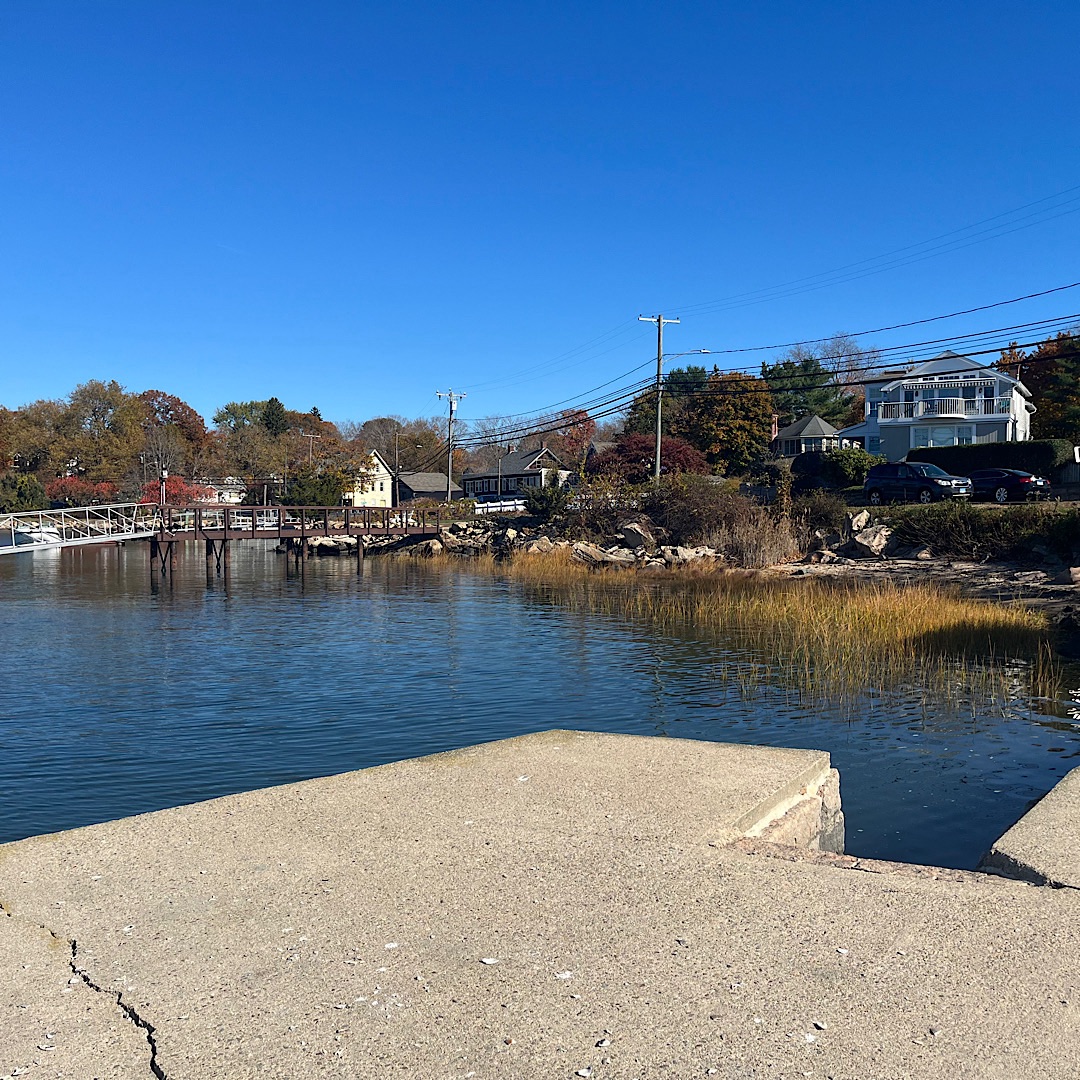
But we did see some amazing views of the water. Gayle suggested we get back on the road and forget the Bible. But how could we be that close and not see the Bible? I clicked another nearby park and somehow ended up in adorable Stony Creek, Connecticut. We walked around the very busy village, seeing families and dogs and boats and the view of the Thimble Islands.
Now, remember: We’re just a couple of nerds hanging out waiting to see a Bible.

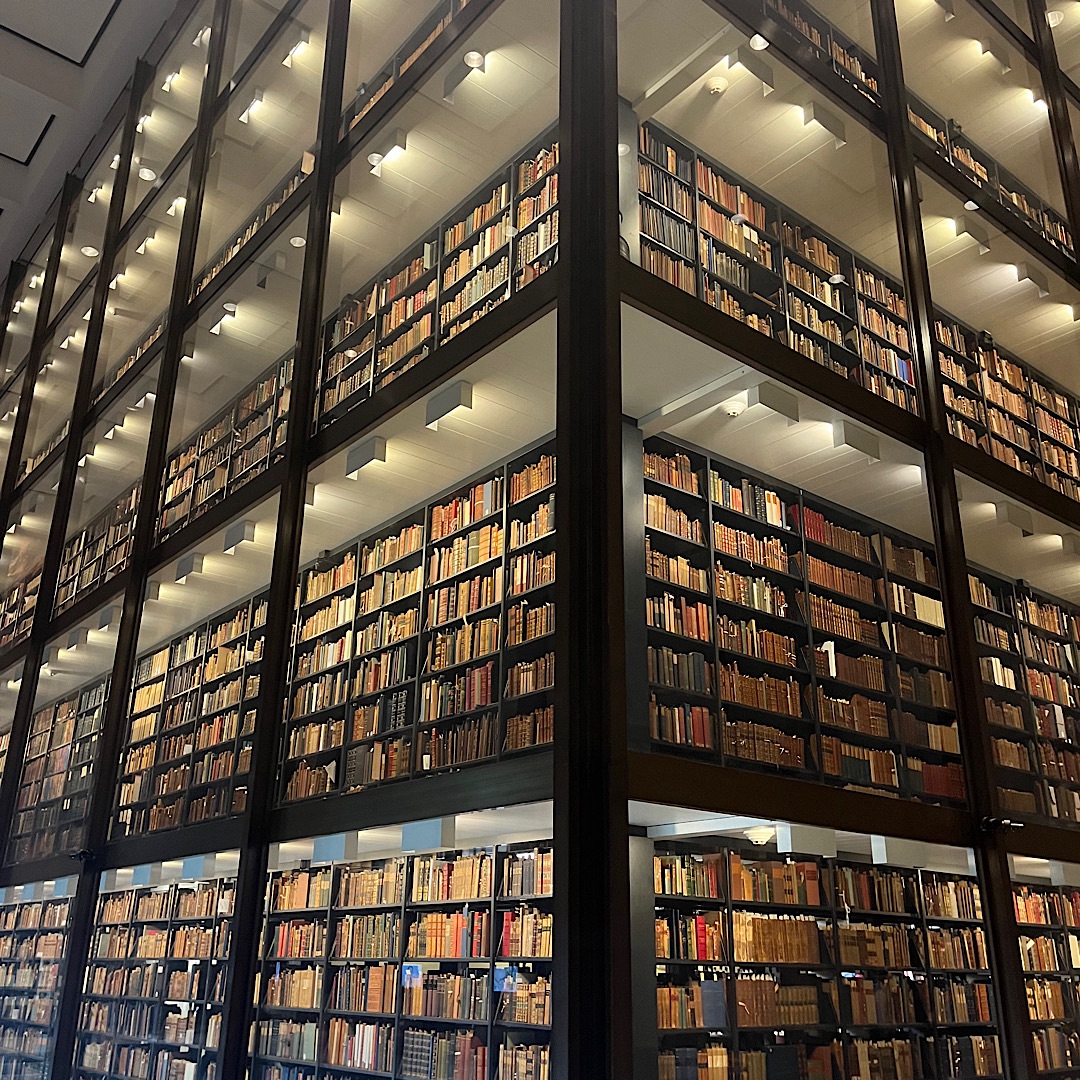
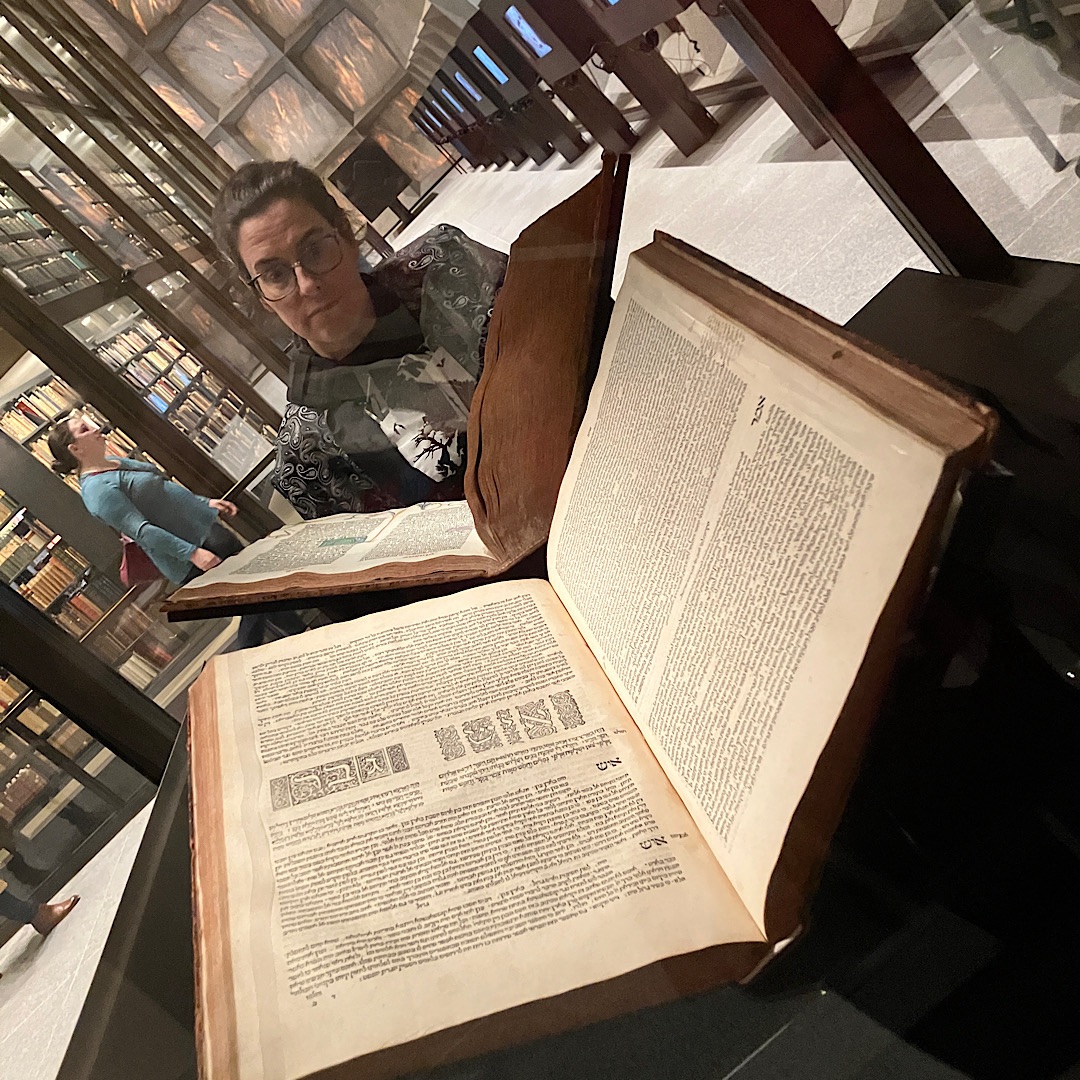
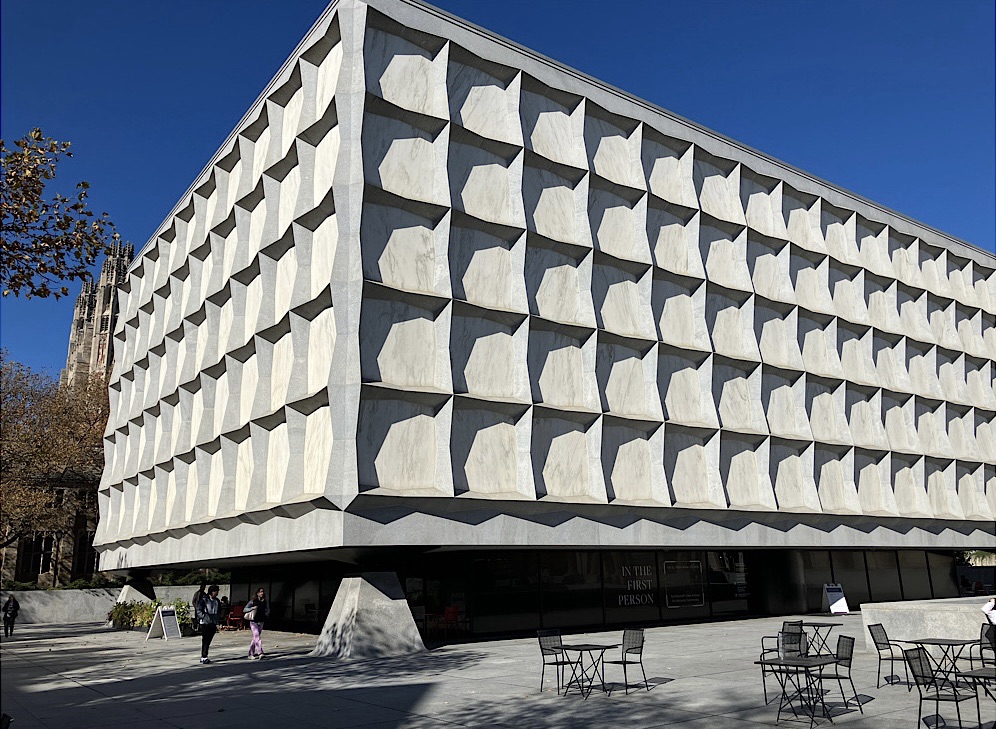
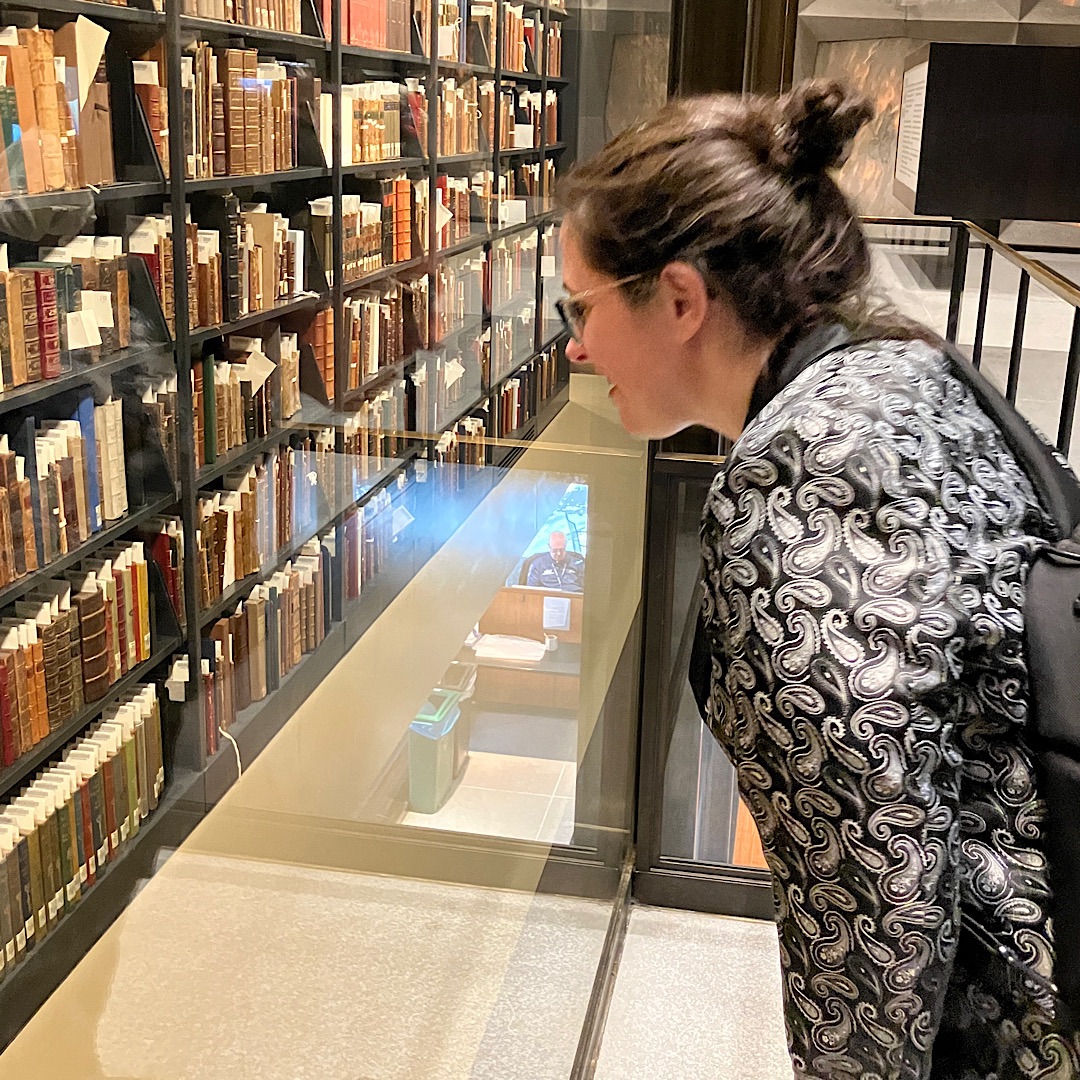
We get back in the car at almost 11, and this is where I learn that the Bible is at the Beinecke Rare Book & Manuscript Library at Yale University in New Haven.

And we could certainly arrive on the Yale campus a little early and poke around. We found a parking space very easily, and New Haven does not enforce parking meters on Sunday, so we got parked and realized we were near a cemetery. The cemetery had some lovely type that attracted Gayle’s eye so we went in and discovered that it was the cemetery that featured Eli Whitney’s grave. And Gayle and I both knew that we should remember who that was. Luckily the brochure reminded us that it was the inventor of the cotton gin. And if I remember correctly, the cotton gin spurred the Industrial Revolution.

Gayle and I decide to explore Grove Street Cemetery and on our way to find Eli I spot Noah Webster. I double check and sure enough he’s the Noah Webster of the dictionary.

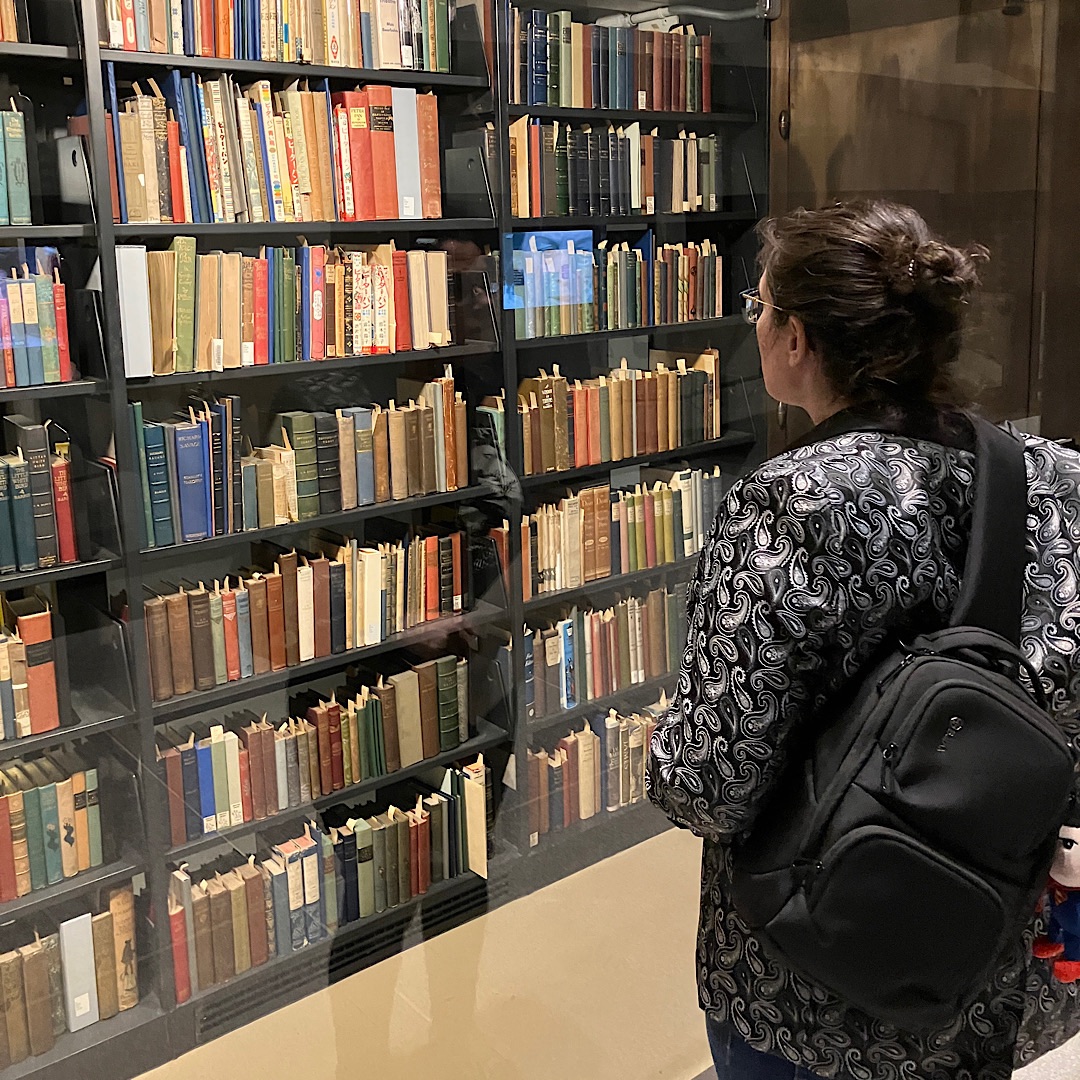
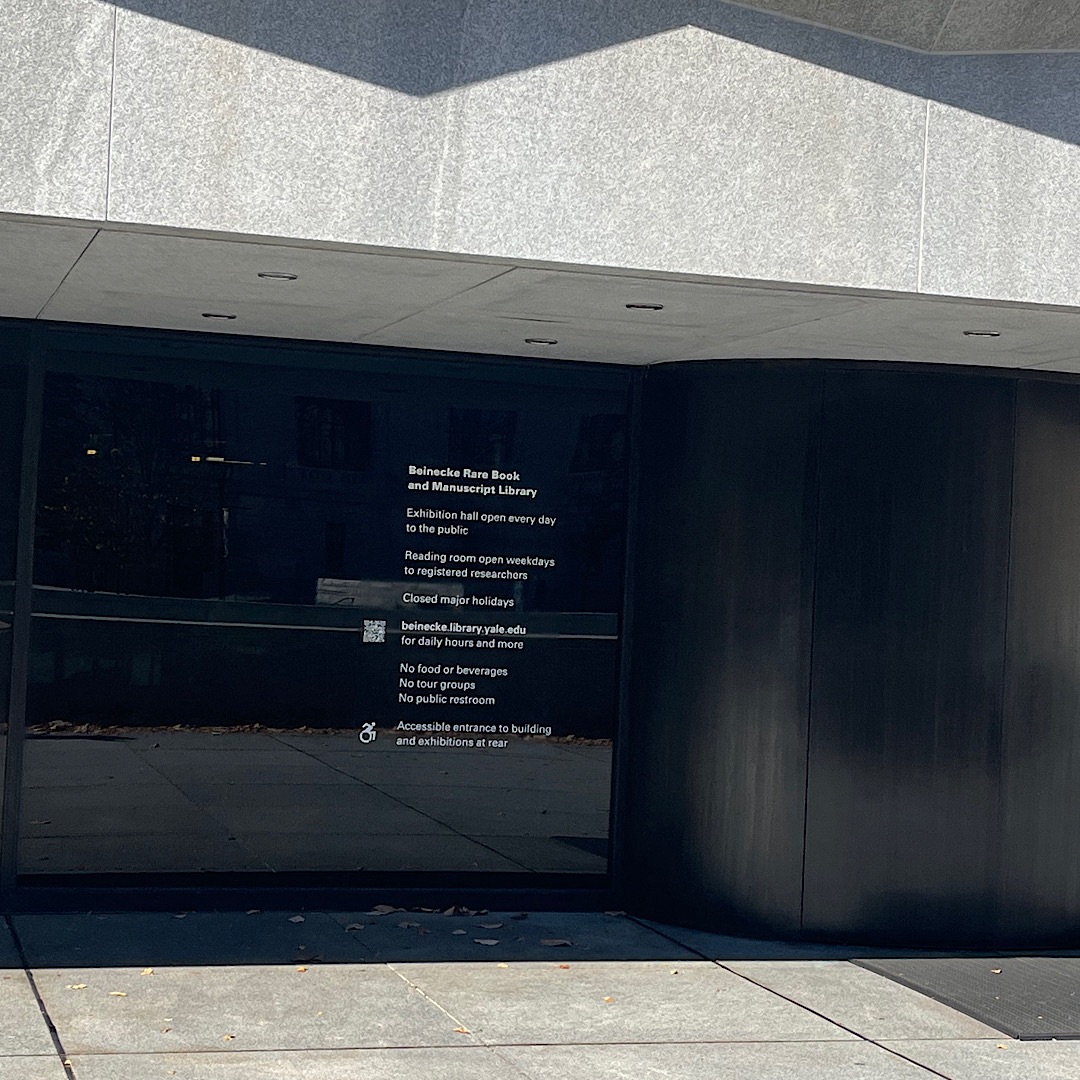
And then we visit the Beinecke Library… Which the revolving door seals up with a cover so you can’t even see the front door when the library is closed.

Just get it out there

Since I lost my job at Stitch Fix in September, I’ve been working hard to build my business, Parisian Phoenix Publishing. And it’s not easy. I have a lot of long days and many things– like reading and creative writing– that used to be hobbies are not work.

I’m constantly balancing what to do with my time. Should I work on personal projects? Paying clients? Unpaying clients? Authors? How much time do I spend at Barnes & Noble versus Book & Puppet (my local independent bookstore)? How many titles should the publishing company release this year? How much freelance journalism should I pursue? How many events should I attend? How many self-published and/or local authors can I support by buying and reviewing their books, especially when only about 20% return the favor?

But one choice that was easy to make was attending last week’s Podcasting 101 community education class at Northampton Community College at their Fowler Center in Southside Bethlehem. My friend and trusty photographer Joan suggested it, with her musical background, my past obsession with podcasts and my hope to start recording miniaudio books.

We invited our partner-in-crime Gayle to join us beforehand at El Jefe for tacos, though we all got burrito bowls.

Podcasting 101

Our class was led by Demetrius Mullen, host of The Single Parent Conflict, and covered a basic overview of all of the elements of creating and uploading a podcast. He’s also a bit of a voice-over actor so imagine my surprise when I heard his “professional voice” versus his everyday one. I now understand what my daughter always meant when she said, “You’re using your journalist voice.”

I love exploring new topics and ideas in classes like this one. They are usually inexpensive and offer a safe environment to dip proverbial toes in the water. I’ve taken other community education classes– like vegan cooking (have the best cobbler recipe ever from that one) and six weeks of Irish Gaelic (my first foray into impractical languages).

At the most basic level, making a podcast involves six basic steps:

  1. Have the mindset. This means not finding excuses. It doesn’t matter if you record, edit and upload your podcast 100% from your phone if you have to, challenge yourself to do it. Accept that you will learn and grow and perhaps be embarrassed by your initial attempts, but keep in mind that it takes time to build momentum, market and develop a following.
  2. Gather your hardware. To simplify this, this means having somewhere to record and edit the podcast. It could involve computers, XLR cables, and microphones, but it also could be simply you and your phone. Demetrius’ advice was to invest your energy in learning and honing the content of your podcast before spending money on equipment that might not even be necessary or before you know exactly what would suit you best.
  3. Learn your software. If you want to have a decent podcast, you’ll have to learn to edit it. There are a variety of free or inexpensive options on the market. And if you’re an Apple user, you have Garage Band.
  4. Record. Sit down and record your content.
  5. Edit, save and export. Again, there are a variety of podcasting services from Buzzsprout to Spotify for Podcasters (formerly Anchor.fm), some with free and some with paid plans. All you need is an MP3 and an ability to read and follow directions.
  6. Upload. Once you have your MP3, release your creation into the universe.

Perhaps this will renew my interest in creating a show author interview show involving a craft topic, followed by an excerpt, short story or poem from the Parisian Phoenix catalog to demonstrate the principle. My larger goal is to use this as a training ground for audio editing and speaking for audio so that we can start production on Parisian Phoenix audiobooks.

A note on my site pages and approaching updates

This web site started as a portfolio of my professional writing. I added some photos, some creative work and used it as a platform to blog my travels in France, Tunisia, Djibouti, Somalia, Yemen and Russia.

I added some pages for the cats we foster.

And soon I will be connecting a web page or two for the publishing house my friend Gayle and I are launching (egads! as my fellow author friend William Prystauk says) my first novel publishes in a week!

So coming soon… Parisian Phoenix Publishing and the Fashion and Fiends series. We have some other titles in the works— erotica, romance, poetry, thought-provoking identity politics/philosophy and hopefully even a book on cats.

Subsequently Gayle designed this logo before I started fostering cats and painted my bedroom this exact pink.

Rainbow Mac and Cheese and my thoughts on privilege and racism

I am saddened that in the 21st century this nation has not made more progress into equality and basic needs for all people.

Having visited different countries in the industrialized and in the developing world, having studied the history of colonialism and prejudice in Francophone Africa, the basic reality that as humans we continue to judge each other and care for ourselves and our own whole ignoring the pain of our neighbors pains me.

I have studied France’s relationship with its colonial history and its institutionalized prejudice against Muslims as a critical theory model for what I see with American imperialism and what I see with our own world legacy of hatred.

Race always enters into these studies because the African American experience shares a lot of commonalities with the French of Muslim Descent community; neither population asked to be enslaved by an empire. Yet, both populations are now belittled and mistrusted by their historical populations.

And both populations are judged and denied opportunities based on their appearance, on something genetic.

It’s so sad.

It’s 2020, America. We have outdated social classes, corrupted government systems, unsustainable consumption, unattainable educational opportunities, a capitalistic drive that values the work over the person, and a healthcare system that threatens our financial wellbeing more than it helps.

So it’s hard.

And I am fortunate to be white. But I am a woman, and I am a woman with a disability, so I understand the lens of judgment. I live every day wondering if I will be judged inferior or incapable because I walk a little funny.

But at least I don’t have to live every day in fear that I may be perceived as dangerous, or manipulated into a situation where I am suddenly an enemy merely because of the color of my skin. I won’t be killed for being dark skinned and being in the wrong place at the wrong time.

Or near the wrong people.

It’s so sad that some of the best, most helpful people I know have to live in this reality.

That Black men have to swallow their fear.

That Black parents have to hope their sons come home.

That people with power

  • whether the power of law (the criminal justice system which favors the white),
  • the power of occupation and authority (police officers, prison guards),
  • the power of messaging (advertising, media, even entertainment)
  • or the power of mass control (our government and the systems perpetuated by it)

can continue this nonsense of us against them is a classic battle of the “haves” and the “have nots.” It’s really time you listened to your mama and started to share.

Anyway, on a much lighter note, I made macaroni and cheese for the teenager.

I used rigatoni and made a sauce of mostly cheddar and 1% milk, with a chunk of Monterey Jack and a chunk of dill havarti.

I put the rest of my fresh spinach in there, put some smoked paprika, purple peppercorns, and smoked provolone on top and it was amazing.

I called it rainbow macaroni and cheese which got me thinking of the larger racial and prejudice issues.

And that made me sad.

But I did have a very heartening conversation with the teenager today. She’s cleaning her room because, as she told me, she needs to get her act together to be able to help me more.

Goals—and how the impulsive selection of a desktop picture breeds hope

My last day in the office was March 17. We were practicing social distancing— not allowed to pass each other in the hall, speaking from inside our offices, wiping down doorknobs and the copy machine.

It was George’s mother’s birthday and he couldn’t go see her in the nursing home. That made him sad.

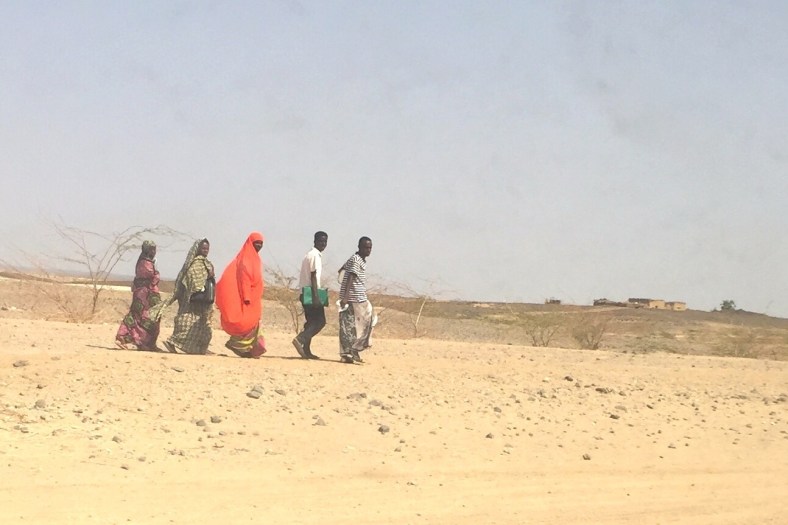
Tomorrow will be my 13th day of working from home. The fourth day of my second year with the agency. My first full day working on my new laptop. I had to reset windows and I managed to send myself this old picture from my phone for my desktop photo:

Traveling

I took it on the road between Djibouti City and Lac Abbé four years ago. Other than my daughter, I’ve shown one person this photo and they didn’t even ask what it was.

“Some random African photo,” he said when I asked if he noticed it, “I know your fascination with Africa.”

So I explained. “Ah,” he said, “that makes sense.”

This is the original photo that I took in January 2016.

On the Road

There is beauty in that photo, and oppressive dry heat, and the implication of hardship. Where are they going? Is it far? Yet, such color and contrast. Simplicity.

The man in the front is wearing a traditional man’s skirt. They say it helps you stay cool in the heat. The women have such light but colorful layers, lovely hijab blowing in what appears to be a slight breeze.

This photo takes me away when I look at it, and for me, it offers perspective and optimism.

I do have a critical theorist’s fascination with Africa, but my passion is actually post-colonial Francophone Africa and how their colonial experience and subsequent (ahem) immigration issues and Muslim relations provide lessons for American imperialism in a post-9/11 world.

Though recent political upheaval in South Africa may provide an interesting cross-examination of the British colonial experience… and what that means for the next generation of African citizens across the continent.

But I digress… not uncommon.

I have some goals I want to set this week.

  • Have several meals with my daughter at our patio cafe.
  • Take 3 walks.
  • Do 5 push ups tomorrow, 10 on Tuesday, and as many as I can each day as long as it is at least the same as the day before.
  • Care for my nails.
  • Take a bath.
  • Cut the grass.
  • Do a blog series on Tarot cards
Happy Sunday

Ford v Ferrari and my obsession with history

I once had a stranger walk up to me and ask if I felt out of place. She specifically asked me if I felt as if I were in the wrong time.

She continued to tell me that she saw an air of an earlier era about me, circa the 1950s, which struck me as odd because my specialty in my academic work was 20th Century colonial/post-colonial Francophone Africa.

I gravitate toward post-World War II history and have to feign interest in anything 19th Century or earlier (though I can handle specific topics like the Industrial Revolution and Early French secularism because of their direct impact on the areas I enjoy) and have equal distaste for things that happened during my lifetime.

I love movies based on real events, and the rise of cinema celebrating real people and their achievements (like First Man, for example) and even historical settings (like the Downton Abbey feature film) are likely to get me into the theater.

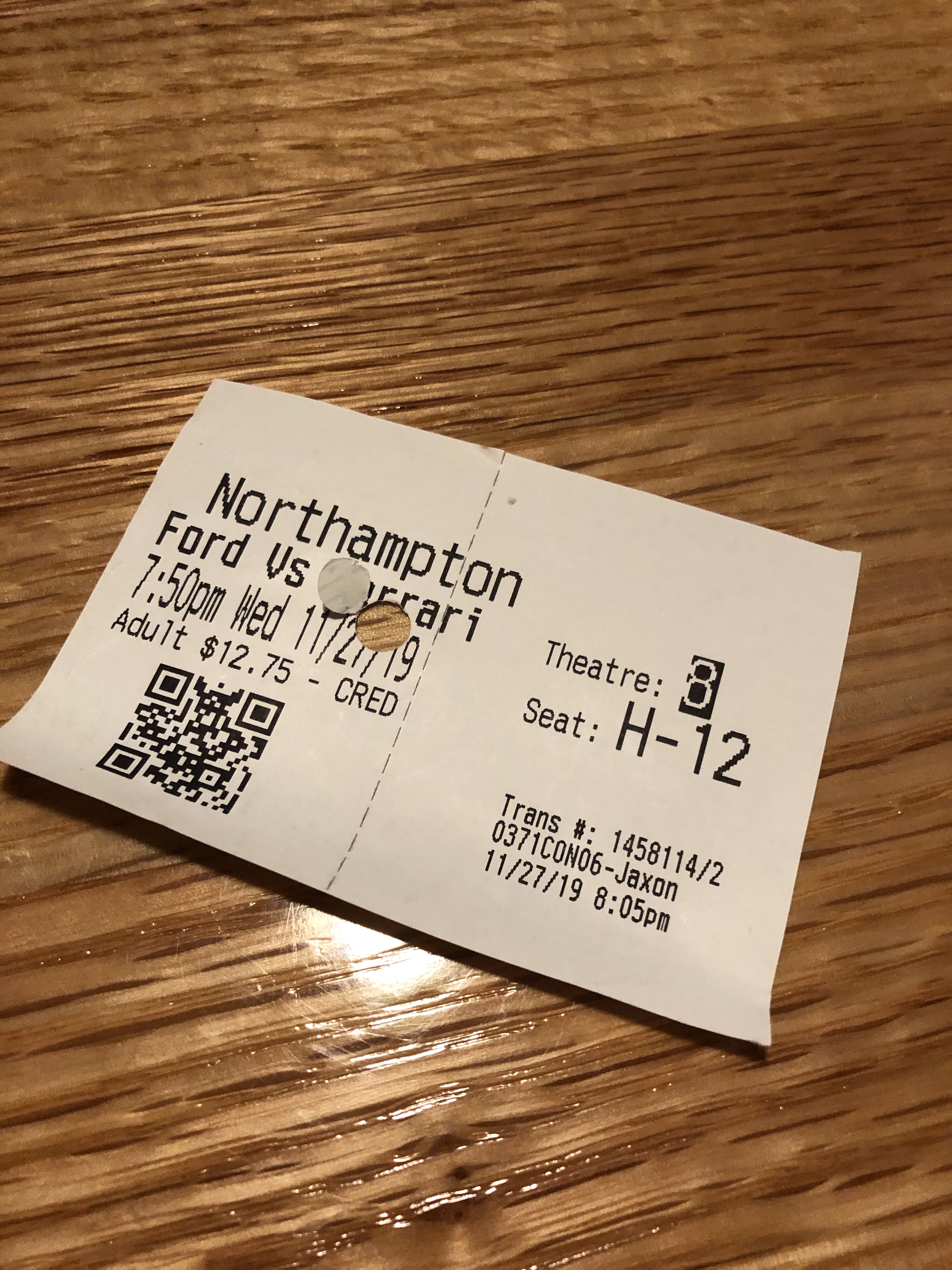
Ford v. Ferrari had been on my calendar since I saw the trailer months ago.

In addition to “liking” the mid-Twentieth Century and, of course, how can you not look at Ford v Ferrari and not see a nod to American Industrial Complex v European Artisan Mindset… I also really like cars.

I can recite most of the Nicolas Cage version of Gone in 60 Seconds. My initial thought when I say the Ford v Ferrari trailer was “oh, they made a biopic for Eleanor.”

So last night my teen daughter and I saw Ford v Ferrari. We laughed. She cried. She jumped from her seat at every spin the car made. And squealed with every race lap.

And it was also interesting to see Lehigh Valley native Lee Iococca represented on the big screen.

But I left the film with a sense of homesickness, or maybe heartsickness. Perhaps a piece of my soul belonged to someone perhaps my dad’s age, born in the late 40s or maybe 50s, and perhaps they died young. Maybe these yearnings I have for the past are desires to finish a life someone else didn’t have the chance to complete.

Maybe they died in a car accident… who knows?

Boogie Woogie Bugle Girl

Since we were staying so close to Petersburg Battlefield, we thought we’d run over and experience some Civil War history before we left town.

If I remember tonight, I will upload a photo gallery. Very. Cool. Place.

The visitors center wasn’t open. We arrived too early in the morning. But the National Park is gorgeous. Sadly, we found a gazillion mosquitoes. So by 9 am I was already providing a hardy breakfast for my insect companions.

The Battlefield has been meticulously groomed to not only preserve the history, but uses tall grass to indicate where various forces stood during battles.

Video of tall grass

The teens fell in love with the cannons. And we had fun wandering around. Then we saw the ranger raise the flag so we went into the visitors center and watched the movie.

OH MY.

The American Civil War is such a sad period in American history. The aggression among own our people. The race issue. The slavery issue. Our own people tearing our nation apart, destroying ourselves and our resources.

The battles in Petersburg were pivotal to the end of the Civil War, and some of the strategy involved were amazing. During the Battle of the Crater, the Northern Forces dug a tunnel under the Southern camp and filled it with something like 8000 pounds of gunpowder.

The resulting explosion was the 19th century version of a nuclear mushroom cloud.

And the men ran into the deep fiery crater to fight. Might be worth googling. Amazing story.

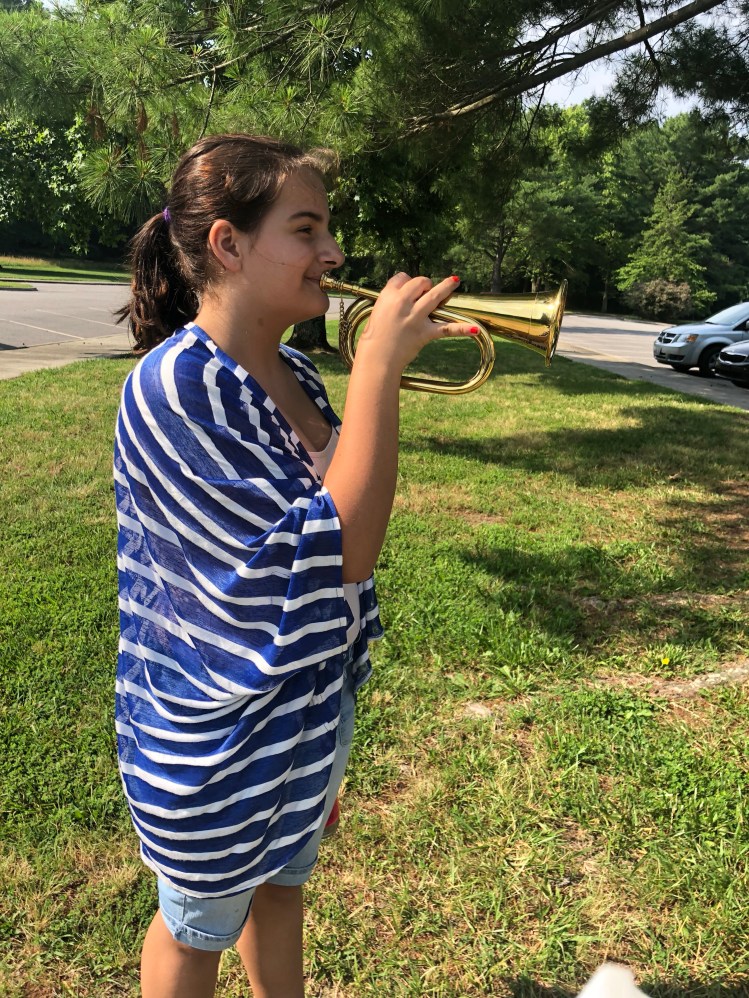
And then my daughter found a bugle in the gift shop.

She’s wanted a bugle for years.

A real brass Calvary bugle.

So she used her birthday money to buy it.

Indochic— Target’s New Home Line celebrates colonization or as they call it, “French-Vietnamese fusion.”

My husband and I started brainstorming our weekly household needs and while he worked on meal planning and a grocery list, I opened the Target app on my phone to see if they had any amazing deals on things we needed. We all know a trip to Target is dangerous and needs to be carefully and cautiously plotted.

Otherwise, the money can disappear.

I immediately found myself drawn to this luscious teal blue chair.

I mean, I seriously see this chair as part of the renovations to our master bedroom here.

But then I read the description: “Indochic: Think French-Vietnamese fusion, full of elegant shapes and sophisticated jewel tones.”

Now, this is my version of when people cry sexism when parents put little girls in clothes that focus on cuteness or certain traits our society sees as feminine. Like the t-shirts that say “I’m too pretty to do homework” or something like that.

“Indochic” is the exploitation and the ignorant perpetuation of the stereotypes that allowed colonialism and the “civilizing mission” to destroy cultures. If you understand my outrage… Well, may the sun shine upon you. We are kindred spirits. If not, let me see if I can calm down and rationally explain the root of my indignation.

First, let me start with the term “Indochic.” It’s a play off of the term “Indochina,” a strongly European word describing the region between India and China. The term became prevalently used in the 19th century and eventually referred strictly to the French colony of what is now Vietnam.

The French called its colony in the region “Indochine” so already Target has managed to make a playful pun, and a French pun at that by combining the French term “chic” with the prefix “Indo.” It’s Indo-great! Indo-cool!

Now, let me rant about the idea of “French-Vietnamese fusion.” The mix of French and Asian style occurred when the French colonized this region. I am no expert on French colonization in Asia, so I can’t address this in depth. But let me offer a few ideas.

Any fusion between the French and the Vietnamese was not voluntary. So should we celebrate it?

Is a pun like “Indochic” okay because the reference dates to the late nineteenth through mid-twentieth century? Is it a forgotten pain? Can it be compared to referring as certain styles as “urban” as opposed to African-American? Would people feel differently about this type of style if the ad featured an Asian woman and a French man?

What I also find interesting about the concept of Indochic, French-Vietnamese fusion connects to my interest in miscegenation. The French developed strict plans for breeding between the civilized French man and the indigenous woman. In French Indochina, French men in the colony were encouraged to make local women their concubines specifically to purify and civilize by producing children with Frenchness.

But remember, the women in these unions would come from poverty by French standards and would be servants or laundresses to their colonial master before they caught his eye. Young native women and older French men, the women unable to say no because of the power exchange.

In colonialism, native cultures lose their land and their resources to the more powerful nation. Their men lose the chance to earn their own living. People who had independent lives become dependent on a foreign system. Tradesmen become servants. Women become housekeepers and sex objects. Native traditions and languages bend, twist and often break or are forced broken by the more powerful, dominant presence.

So when we advertise a sophisticated, elegant French-Vietnamese fusion and give it a cutesy name, we are perpetuating the idea that the cultures on the peninsula between India and China did not have anything to contribute to the world before the French came along and subjugated them.

It’s not Indochic. It’s not cool. It’s contemporary Orientalism.

If anything it’s Asian-influenced French design. Influenced. Because fusion implies an intentional attempt to blend two strong styles.

Facing modern Orientalism in Lalla Essaydi photographs at Lafayette College

This is the final week to see Lalla Essaydi’s photographs at the Williams Center for the Arts gallery at Lafayette College.

This seven photograph exhibit takes a journey into contemporary Muslim women’s space while exploring traditional Orientalist beliefs, otherwise known as Western stereotypes of the Muslim/Arab experience.

Immediately, I recognized these themes in Essaydi’s photography. My previous exposure both academically (my interest in post colonial Francophone Africa, how it intersects with the Muslim world, and the impact these topics have on contemporary international politics) and via travel in Africa and the Middle East came rushing into my head like a lost dream you fight to remember upon waking.

This exhibit features five photographs that use white/beige colors, Arabic writing, henna and women in various levels of religious covering and two photographs more steeped in color.

The seven photographs come from three different series: Converging Territories, Harem and Bullets. Just reading those titles should leave a certain taste in the mouth. I have with me an exhibit guide but I haven’t referred to it yet as I prefer to digest the works on my own first.

The first piece one encounters in the exhibit is 2004’s Converging Territories #24, featuring a woman’s face, only eyes showing, with writing on her face and the cloth covering her. The chromogenic print mounted on aluminum divides the woman’s face into four panels, each an almost even display of skin, lettering, and beige fabric.

This one did not attract or impress me. That is not to say it does not present a strong harmonious image. It is certainly a lovely piece of artwork, but artwork often speaks to the viewer in unique ways and this one seemed what one would expect from an exhibit like this.

Next came Harem #2 (2009). Instantly, I noticed the use of the term harem and the mimicry of traditional Orientalist images prevalent in I believe it was 19th century Western paintings capturing a fantasy of what Western/European artists expected the Muslim/Arab lifestyle to be.

The Harem series uses more color, more texture, and repeats the Orientalist themes of a reclining woman in exotic dress. The repetition of these stereotypical themes used by a Muslim female photography made me bristle. But this woman is propped on one arm and seated rather proudly so I sense the challenge to the age-old idea of the Middle Eastern harem.

Next, I found Bullets #3 (2003). The woman  in this photograph has a sassy shoulder turned to the camera. She is covered, but showing more flesh than normally proper throughout the arm. The backdrop is all bullets as if they were tiles on the wall, bullets also adorn her clothes. Another stunning photograph, but frankly I grow tired of the constant obsession of the Muslim identity automatically connecting with terrorism. I’m sure that’s Essaydi’s point, too.

I’m going to skip my favorite piece and turn instead to Harem Revisited #34 (2012). Perhaps this is the most colorful piece presented at Lafayette. It is three years newer than the other, and the woman’s pose in this one is not only more docile and reclined but divided into three panels, an immediate detraction from her humanity. She is reduced to pieces.

But the focal point of the exhibit (and my favorite), if I can proclaim that based on not only the fact that it was in my opinion very prominently displayed, is Converging Territories #30 (2004). [Featured image for this post.] It depicts, with the same beige clothing on beige background covered with writing and people decorated with henna, four females standing side by side in various levels of garb.

The largest woman, whom appears to be the only adult in the group, is completely covered head to toe. I can’t even refer to it as burqa as she doesn’t even have a slit or a screen for her eyes. I see them as a family, and the next one is in more traditional burqa and appears to be an adolescent. The next girl, a sweet looking pre-teen, has her scarf tied under her chin, exposing her whole face but not her hair. The last little girl has no head covering.

What I adore about this photograph is the vivid use of the progression of covering as it follows a woman through various stages of life and suggests not only the typical message of how a woman’s identity is limited by strict forms of covering, but also attaches this idea to the act of mothering and potentially makes it more universal. To me, the suggestion is that all women lose a part of their identity as they transition into a maternal role. This has nothing to do with religion.

If you miss the exhibit at Lafayette, a similar exhibit runs through May at the Trout Gallery of Dickinson College.

About Lalla Essaydi: According to the exhibit guide, she grew up in Morocco, raised her family in Saudi Arabia, and lived in both France and the United States. She received her arts education from prestigious art programs in both France and the United States.

When your writing career carries on without you…


So today I got an unexpected email from the folks at SAGE Academic Publishing. About four years ago, I wanted to write some short encyclopedia entries for them and they said no because I didn’t have a Ph.D. It was one of the things that made me consider graduate school.

They advised me that if I could find someone to co-author who had the necessary credentials, I could write for them.

I enlisted my college era friend Annette Varcoe, a brilliant scholar in American history and Women’s studies who had a freshly-minted Ph.D. after her name. She allowed me the pleasure of helping her edit her final dissertation.

The topic at hand was one of my favorite places in the world, Djibouti, and the article was based on a capstone project for my international affairs degree I had just completed. She knew nothing about Djibouti but her critical eye brought life to my dream and she got hooked on this region of the world and conditions there. Our first article was on poverty in Djibouti. She approached me a few months later and asked if I would consider doing another on security.

We did. Both pieces were submitted fairly close to each other. We probably wrote them both in 2014. The poverty piece was published in July 2015. I got the email that the second has now been published. March 2018. My career looks current even if I have stalled a bit!

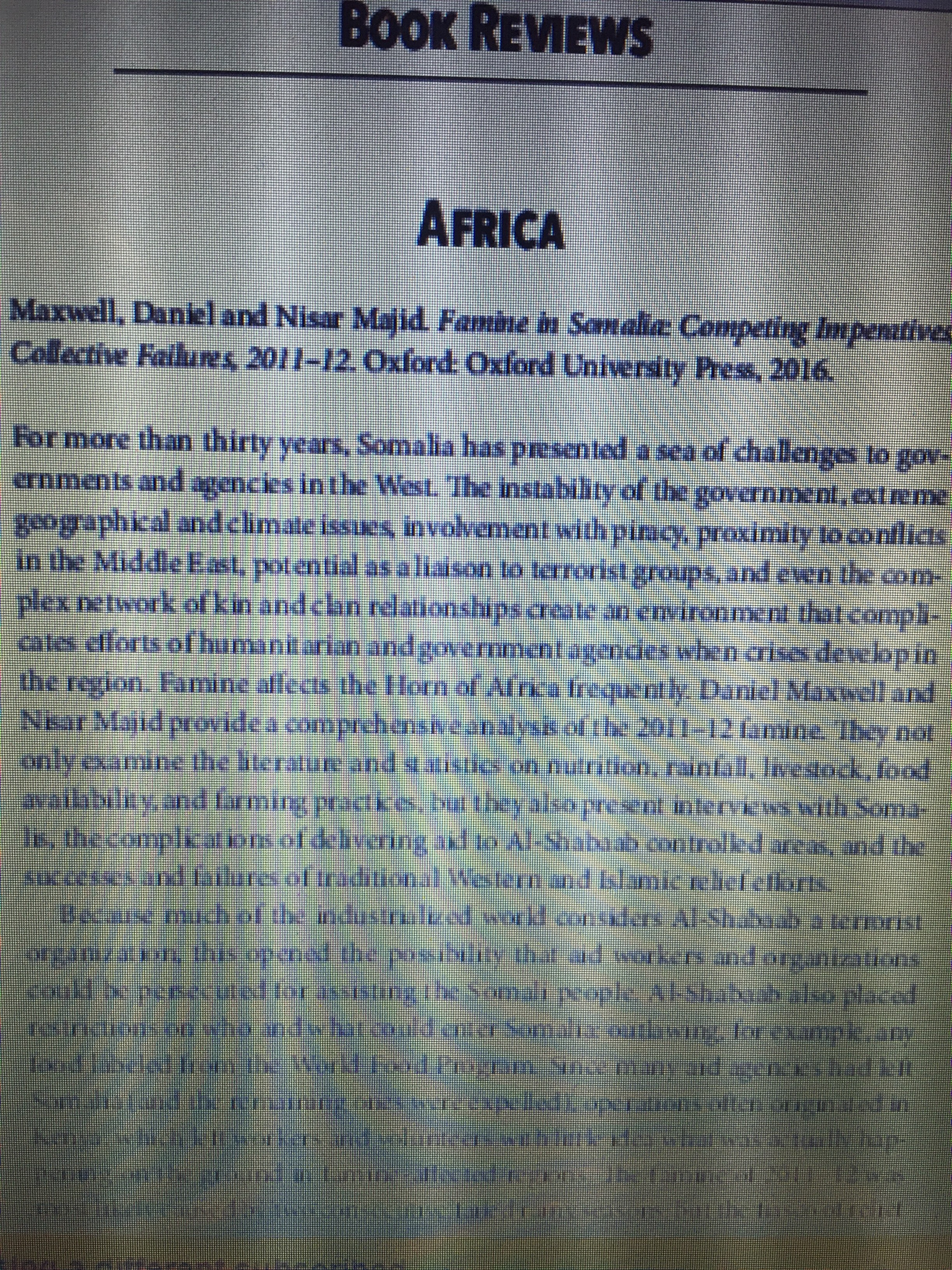
This refreshed my memory that I never actually saw a book review I submitted to Global Studies South. Since my husband is home from work today using up his vacation, I asked him to look me up in the academic databases to which the Lafayette College libraries subscribe.

And here I am!